
For years, psilocybin was mainly viewed as a party or recreational drug linked to the hippie community of the 1960s. However, over the past ten years or more, this mind-altering compound has been receiving a lot of attention for its potential to treat mental health and substance use disorders. Here are some facts to consider:
Found in more than 200 kinds of mushrooms, it’s commonly known as “magic mushrooms” or “shrooms”. Typically, psilocybin mushrooms have long, slender stems topped by caps with dark gills on the underside. They can be taken by mouth fresh or dried, brewed as tea or added to other foods, like chocolate or smoothies, to mask the bitter flavor.
Their effects usually begin within 20 to 90 minutes and can last as long as 12 hours.[1]
Psilocybin is a member of the psychedelic family of drugs which includes LSD and ayahuasca. When a person takes a psychedelic, sometimes called “tripping”, it can change the way they experience sight, sound and thoughts.
Psilocybin works in the brain on the serotonin receptors, often called the “feel-good” receptors. These receptors play an important role in managing a person’s mood. It is considered to be relatively safe to use and does not cause dependence or addiction
A warning about mushroom edibles
Before we continue talking about psilocybin, it’s important to understand that some products are labeled as mushroom edibles, like chocolates and gummies, but they don’t actually contain psilocybin.[4]
These products can be very dangerous because they aren’t regulated for safety despite being sold online and actively promoted on social media platforms like TikTok.
Psilocybin has its own risks, but it also appears to have potential benefits. However, many edible products claiming to be made from magic mushrooms or “shrooms” can contain any kind of mind-altering substance, including sedatives and very little psilocybin, if at all.[5] For example, Polka Dot’s chocolate brand only claims to have a “mushroom blend.”
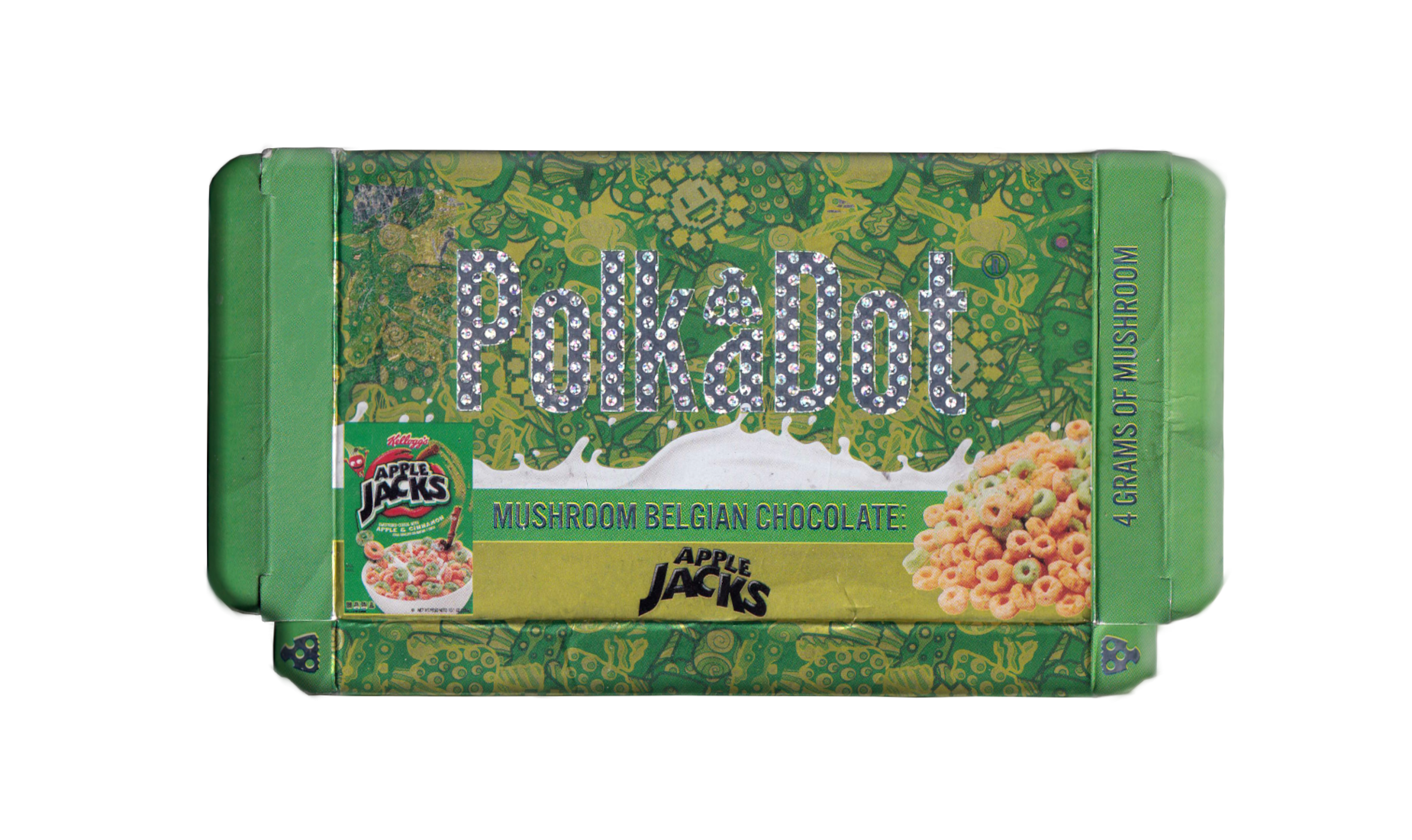
Some of these products use a mushroom called Amanita muscaria, which has a substance called muscimol. Muscimol can cause a person to feel intoxicated, like they’re drunk, and might cause hallucinations, but it is not a psychedelic. So, eating these products will create a different experience from what someone would feel after consuming magic mushrooms that contain psilocybin.
Eating these commercial products can even be fatal.[6] A popular brand, Diamond Shruumz, has been linked to dozens of people being taken to emergency rooms and at least three deaths. The federal government is investigating Diamond Shruumz’s brand products, which include chocolate bars, infused cones, and gummies. As of June 2024, all the Diamond Shruumz products have been recalled.[7]
Why is psilocybin increasingly popular?
Mushrooms have been used for thousands of years in religious, spiritual and recreational settings across many cultures.[8]Its use in special ceremonies is still common in several native communities in Mexico.[9]
Clinical research into psilocybin treatment of various mental health and substance use problems started to gain steam in the 1990s.[10] Promising early results led to the foundation in 2006 of the Center for Psychedelic and Consciousness research at Johns Hopkins University. Researchers have published thousands of scientific articles on the compound.[11]
Patients who have taken psilocybin in clinical trials have reported:
-
- Increased acceptance and processing of emotions
- Connections to others
- Forgiveness
- Self-compassion
- Insights into one’s self
- Mystical experiences like connecting with God
- Positive changes in the way they see the world
- Increased motivation
- Commitment to change[12]
- Being able to have empathy for others
- Greater desire to be social
People in clinical trials also report what scientists define as “ego-dissolution” or a reduced sense of self. This can increase the feeling of being at one with the universe and be a rewarding experience. A pleasant experience is not always the case. Some people feel disoriented, experiencing anxiety and fear.[13]